
6 Things You Probably Don't Know About Your Period
Share
You've been managing your periods for years, so you think you've got it all figured out. And yet, there's a good chance that at least one deeply ingrained habit of yours is actually counterproductive, or even downright risky.
We have ranked the most frequent errors from least serious to most surprising.The one that closes this article is probably the least known piece of information of all, even though it is based on a pharmacological mechanism that is more than 50 years old.
💡 The Ranking in Brief
The Ranking, From Least Serious To Most Surprising
Not drinking enough water
When your stomach is bloated, the reflex is often to reduce fluid intake, thinking it will further limit the bloating. The exact opposite is true: proper hydration helps reduce water retention and cramps, while caffeine actually worsens pain and dehydration.
Never follow your cycle
Not tracking your cycles isn't dangerous in itself, but it deprives you of a valuable tool. Without a record, it's impossible to spot gradual changes, periods that become longer, more painful, or more frequent. An app or even a simple notebook is all it takes to transform a vague feeling into real, usable data should you ever need to discuss it with a doctor.
Sacrifice your sleep
It's difficult to sleep well with cramps, but lack of sleep perpetuates a vicious cycle. A tired body produces more cortisol, the stress hormone, which in turn amplifies inflammation and pain. Before going to bed, it's better to focus on a soothing routine—a warm bath, reading, breathing exercises—rather than letting the pain dictate a restless night.
Neglecting hand hygiene
Your vagina has its own self-cleaning system, so repeated washing inside is counterproductive. The real point of concern lies elsewhere: washing your hands before handling internal protection, especially a tampon, significantly reduces the risk of transferring bacteria. Otherwise, a mild, unscented soap on the vulva is perfectly sufficient.
Keeping your protection on for too long
This is the most medically documented mistake on this list. Leaving a tampon or menstrual cup in for too long, especially overnight, increases the risk of toxic shock syndrome, a rare but serious infection. The rule remains simple: change a tampon every 3 to 4 hours, and never leave a menstrual cup in for more than 8 to 12 hours. Menstrual underwear, which remains outside the body, largely avoids this specific risk, making it a particularly reassuring option for nighttime use.
Take aspirin for your cramps
This one surprises almost everyone. Aspirin blocks an enzyme called thromboxane, which is precisely what triggers blood clotting. In short, it acts as a mild blood thinner, the desired effect when prescribed for cardiovascular prevention, but clearly undesirable during your period.
A review of several studies confirms that women who use aspirin more often report a heavier menstrual flow and slightly longer periods compared to those who don't take it. This effect can last up to a week after taking the medication, due to aspirin's long-lasting effect on blood platelets.
The right alternative Ibuprofen targets pain and inflammation without affecting blood clotting, making it a much better choice during your period. Paracetamol also works very well if ibuprofen isn't suitable for you.
Protection That Eliminates Risk #2 on This List
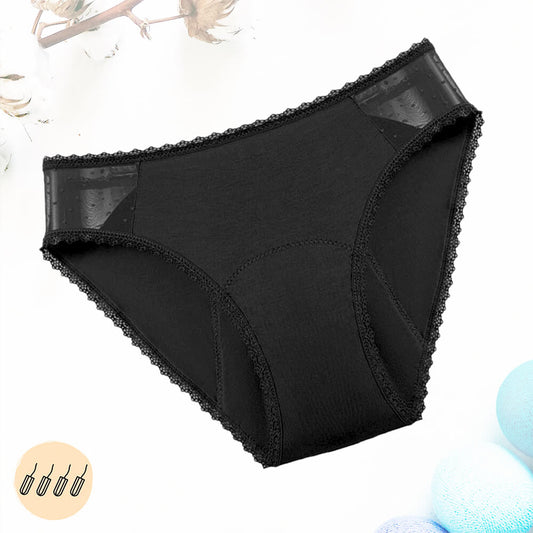
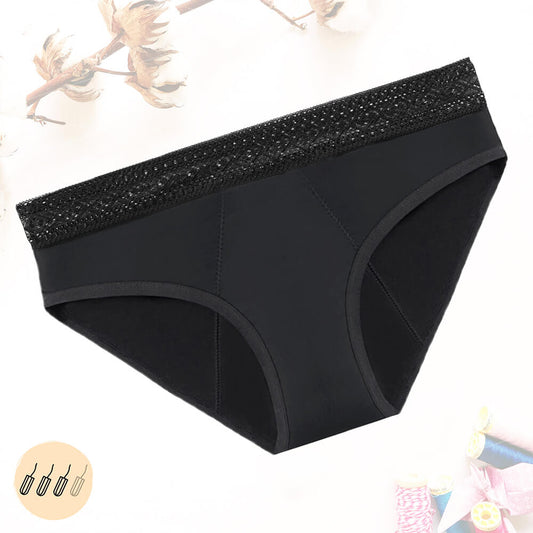
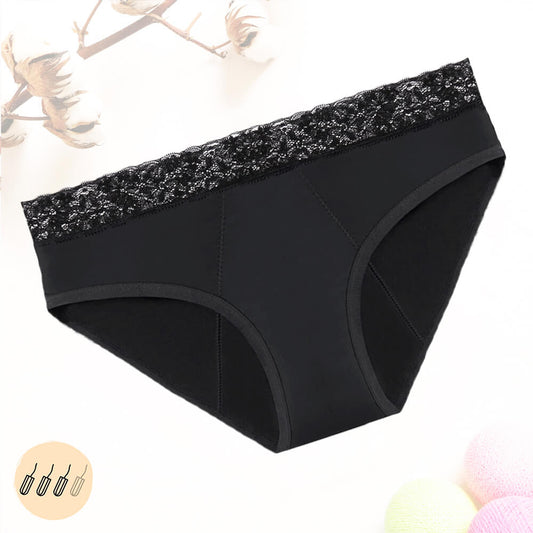
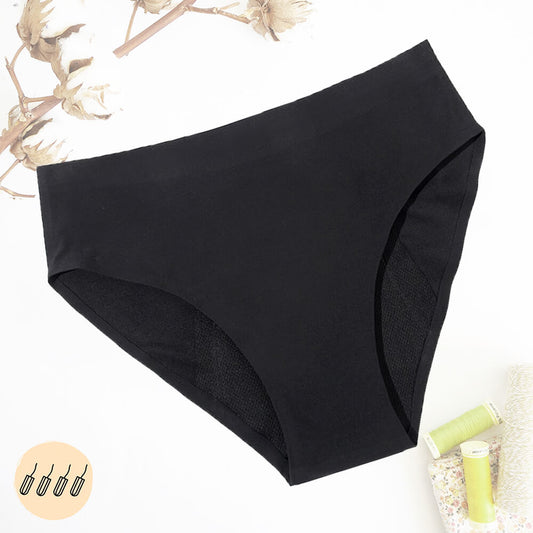
Our period panties stay outside the body, eliminating concerns about wearing time and the risk of toxic shock syndrome associated with internal products. They offer up to 12 hours of protection, even overnight, with nothing to remove or monitor.
Nobody Handles This Perfectly
None of these mistakes need to be corrected overnight, and you probably didn't check all six boxes at the same time. If you only remember one thing from this list, remember the one about aspirin; it's the easiest piece of information to correct and the one with the most direct and immediate impact on your comfort.
For the rest, go at your own pace. Changing a habit that's been ingrained for years takes time, and your body won't hold it against you if you do it gradually rather than correcting everything in one cycle.
Sources & References
- Sones JL, et al. (2023). Effects of antiplatelet therapy on menstrual blood loss in reproductive-aged women, a systematic review. Research and Practice in Thrombosis and Haemostasis. PMC10805676
- Petitti DB, Reingold AL, Chin J. (1986). Risk factors for menstrual toxic shock syndrome, results of a multistate case-control study. JAMA. PubMed: 2928651
- GoodRx Health. Are Advil (Ibuprofen) and Aspirin the Same Thing? Comparative pharmacological mechanisms of NSAIDs. GoodRx.com