
Comparison: Which Protective Devices Really Expose Us to Toxic Shock?
Share
Tampons, menstrual cups, discs, sponges, pads, period panties – the choice of protection has never been so wide, and the risk of toxic shock syndrome is not the same everywhere. The simplest rule to remember is that anything inserted into the vagina shares a common risk mechanism.Almost everything outside escapes. But even between the internal protections themselves, real differences exist, and some will truly surprise you.
We've gathered what research actually knows about each type of protection, without any marketing filter. To understand how it's triggered, you can take a look at our article on toxic shock.
Who Risks What, at a Glance
Buffer
Internal protection
The most well-documented aspect depends primarily on the chosen absorbency and the duration of wear.
Menstrual cup
Internal protection
Laboratory studies show bacterial growth at least comparable to the buffer, sometimes even greater
Menstrual disc
Internal protection
Newer product, still limited dedicated data, precautionary principle recommended
Menstrual sponge
Internal protection
Studies on the contraceptive sponge, a similar device, suggest an increased risk
Sanitary napkin
External protection
No internal stagnation mechanism, no risk of toxic shock identified
Period Panties
External protection
Same mechanism as a towel, ideal for nights when you don't have to keep an eye on things.
Panty liner
External protection
Not designed for heavy flow, but no risk of toxic shock syndrome associated with it.
The Cup Is Not Necessarily Safer Than The Tampon
Tampons, menstrual cups, discs, and sponges all have one fundamental characteristic in common: they retain blood inside the vagina for several hours. It is this stagnation, not the product itself, that creates a favorable environment for the growth of Staphylococcus aureus in women who carry the infection.
A French team directly compared tampons and menstrual cups in the lab in 2018, and the result surprised many: bacterial growth and toxin production were higher with menstrual cups than with tampons, likely due to the extra air their shape introduces into the vagina. The researchers are quite clear on this point: their results do not show that menstrual cups are safer than tampons, and suggest that they require similar precautions.
💬 What this changes in concrete terms
Switching from tampons to menstrual cups to "reduce the risk" therefore has no solid scientific basis. What really makes the difference is the duration of use and hygiene between uses, especially the cleaning the cup between cycles.
The Album, Too Recent to Have Full Perspective
The disc differs from the menstrual cup in its positioning; it is placed inside the vaginal fornix rather than being attached to the vaginal walls by suction. Some manufacturers advertise a wear time of up to 12 hours, particularly to allow for sexual intercourse during menstruation.
⚠️ Important information Because the disc is a newer product than the tampon or cup, there are still few studies specifically dedicated to its risk of toxic shock syndrome. In the absence of data to the contrary, it is better to limit wear to 6 hours rather than following the maximum duration indicated by some manufacturers, pending further research on this specific product.
The Sponge: The Least Studied and Not the Most Reassuring
The menstrual sponge, whether natural or synthetic, remains a marginal but existing option. Specific data on the modern menstrual sponge are limited, but older studies on the contraceptive sponge, a similar device although intended for a different use, identified a significantly higher risk of toxic shock syndrome than other methods, particularly in cases of prolonged wear or traumatic handling of the device.
The sponge has an additional characteristic compared to tampons or menstrual cups: its porous texture can make cleaning between uses less reliable, and some models are not designed to be sterilized in boiling water like a silicone cup. If you use this type of protection, increased vigilance regarding the duration of use and regular replacement of the device is recommended.
Why External Protections Completely Escape the Problem
Pads, panty liners, and menstrual underwear absorb menstrual flow outside the body, without ever coming into prolonged contact with the vaginal cavity. Therefore, the stagnation mechanism that promotes bacterial growth and toxin production does not apply in the same way.
This doesn't mean hygiene is unnecessary; regularly changing your external protection remains important for comfort and to limit irritation. However, the specific risk of toxic shock syndrome (TSS) is not associated with this type of product in the medical literature.
An Option Without This Specific Risk
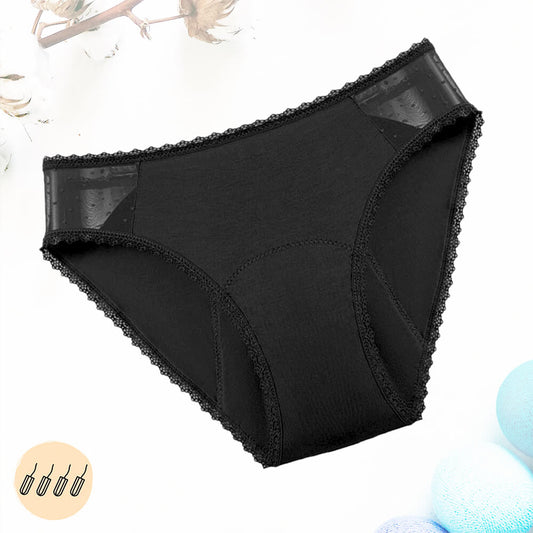
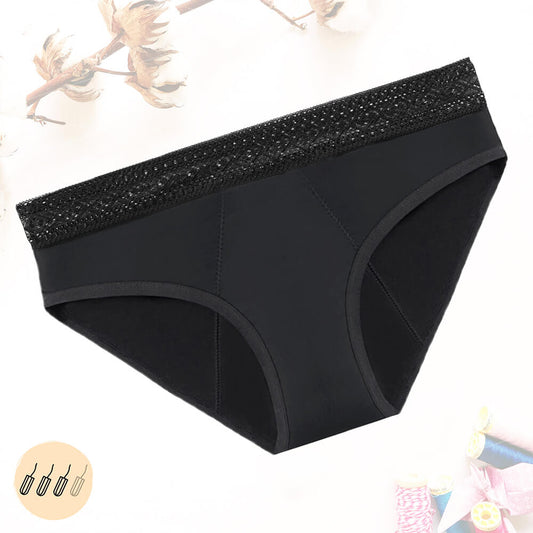
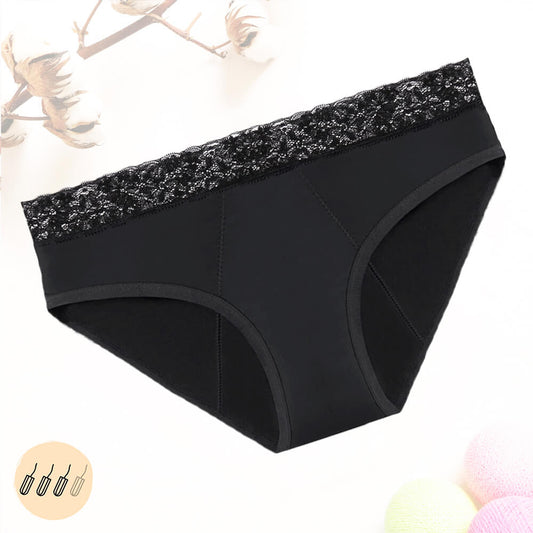
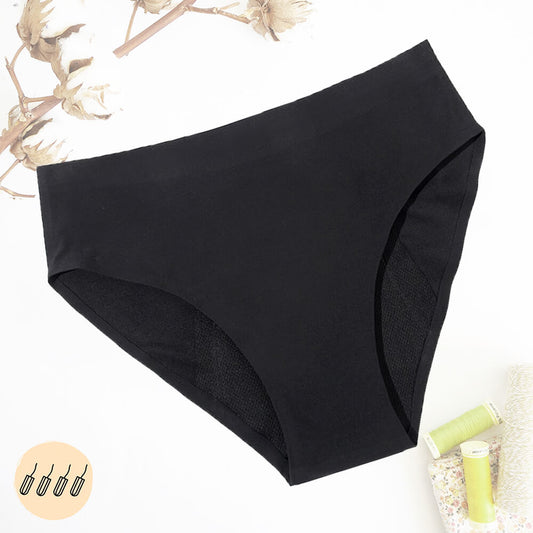
For nights or days when you prefer not to monitor wearing time, our period panties offer absorbent external protection, without the mechanism that causes toxic shock syndrome.
What Protection for What Priority?
No single protection is universally the best; the choice depends on your flow, your lifestyle, and your tolerance for risk, however minimal.
| Your priority | Option to consider |
|---|---|
| Eliminate the specific risk of toxic shock | External protection (pad, menstrual underwear) |
| Internal protection nonetheless, the most scientific perspective | Tampon, strictly respecting the 6 hours |
| Reducing waste in the long term despite internal protection | Menstrual cup, with rigorous cleaning between cycles |
| Maximum freedom at night, without having to watch anything | Period Panties |
Frequently Asked Questions
Does toxic shock syndrome exist for men or outside of menstruation?+
Yes, non-menstrual toxic shock syndrome exists and can affect anyone, following surgery, an infected skin wound, or a viral infection such as the flu. It accounts for approximately 20 to 25% of staphylococcal toxic shock syndrome cases. This comparison focuses on the risk specifically related to menstrual hygiene products, which remains the most documented cause in women of reproductive age.
Can we alternate between internal and external protection to reduce the risk?+
Yes, it's actually a perfectly reasonable strategy. Many women use internal protection during the day and switch to external protection at night, which directly addresses one of the best-documented risk factors: prolonged wear during sleep. Reducing the total number of hours internal protection is worn during the day mechanically decreases exposure to risk.
Do abundant flows necessarily necessitate internal protection?+
No. Period panties and pads are now available in highly absorbent versions, capable of handling heavy flows without the need for internal protection. The choice remains a matter of personal preference and comfort, not a requirement based on the intensity of the flow.
Internal or External: The Real Question to Ask Yourself
Rather than searching for THE safest internal protection—a distinction that doesn't really exist according to current data—the real question is whether internal protection is necessary at any given time. For nights, light flow, or periods when you simply want to stop thinking about it, external protection eliminates this specific risk without sacrificing comfort or effectiveness.
Sources & References
- Nonfoux L, Chiaruzzi M, Badiou C, et al. (2018). Impact of Currently Marketed Tampons and Menstrual Cups on Staphylococcus aureus Growth and Toxic Shock Syndrome Toxin 1 Production In Vitro. Applied and Environmental Microbiology. DOI: 10.1128/AEM.00351-18
- Faich G, Pearson K, Fleming D, et al. (1986). Toxic shock syndrome and the vaginal contraceptive sponge. JAMA. PubMed: 3001376
- Billon A, Gustin MP, Tristan A, et al. (2020). Association of characteristics of tampon use with menstrual toxic shock syndrome in France. EclinicalMedicine. DOI: 10.1016/j.eclinm.2020.100308